


THE PROCESS OF CREATING A FOOD GARDEN
A Blueprint for Transforming Land & Lives
Laying the groundwork for a garden that meets both environmental and local needs begins with understanding the land and the people it serves. We begin by listening, observing, and planning with purpose, cultivating a space that not only provides fresh, nutritious food but also offers opportunities for hands-on learning, skill-building, and community empowerment.

Stage One
SITE ASSESSMENT
-
Conducting an initial survey of the proposed site, considering what resources are already in place, improvements to be made and potential for expansion.
-
Assessing the land and feasibility of existing infrastructure for potential use, considering resources and improvements. We consider elements such as accessibility, sunlight exposure, soil quality, water availability and electricity.
-
Identifying and meeting with relevant stakeholders, local leaders and members, to understand and assess the specific needs of the community.
-
Creating a detailed site assessment report outlining findings and recommendations for the food project development.


Stage Two
PROPOSAL OUTLINE
-
Compiling all findings, analyses, solutions and recommendations into a comprehensive site assessment proposal.
-
Presenting this report to stakeholders and decision-makers for review and approval, highlighting the potential benefits for the community and the corporate sponsor.
-
Providing an overview of the proposed recommendations and strategies, for the successful development and implementation of the food project, summarising the goals, objectives, and expected outcomes, based on the site assessment findings.
-
Explanation of how corporate sponsorship funds will be allocated and managed.
-
Allocating a suggested budget breakdown, including estimated expenses for personnel, supplies, equipment, training and overhead costs required, specific for each beneficiary site.
-
Detailing the proposed timeline, outlining the phases of the project implementation from inception to completion and final launch.


Stage Three
GARDEN LAYOUT & DESIGN
-
Developing a site plan and layout that optimizes the available space for food production, optimising growing conditions, promoting sustainability and environmental stewardship.
-
Designing the layout to maximize efficiency and productivity, making considerations for trees, sunlight, exposure, determining the best placement of beds and crops.
-
Planning the layout and placement of garden features. Allocating specific areas for different components of the food garden, such as beds, pathways, composting areas, storage and communal gathering spaces. Incorporating innovative features such as outdoor classroom structures to enhance the learning experience.
-
Including fruit and nut tree planting into the garden design to provide shade, windbreaks, and habitat for beneficial wildlife.
-
Planning for efficient irrigation methods. Determining the availability and proximity of water sources for irrigation, rainwater harvesting systems, or municipal water.
-
Present detailed landscape layout drawings for approval.


Stage Four
GARDEN INSTALLATION
-
Measure and mark the designated garden beds based on the garden layout plan and determine the layout and width of pathways between them, considering accessibility and traffic flow.
-
Install pathway materials such as gravel, wood chips, or stepping stones to provide stable and walkable surfaces.
-
Construct garden beds using the selected materials chosen for the specific site.
-
Source all necessary materials for the project, including quality organic compost, soil amendments, mulch materials like straw and wood chips, to conserve moisture and suppress weeds.
-
Select appropriate plant varieties based on climate, season, and soil requirements, while also considering natural companion planting principles, and incorporating sustainable gardening practices.
-
Install an irrigation system to ensure a reliable watering system.

Stage Five
SUSTAINABLE SYSTEMS
-
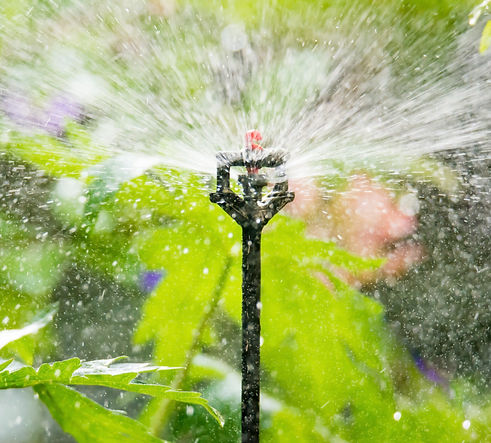
We prioritise efficient water usage through irrigation methods and rainwater harvesting.
-
We implement compost making and mulching techniques to enhance soil fertility and health, promoting permaculture practices.
-
We use organic fertilisers and natural pest control methods to maintain a healthy ecosystem.
-
Ensuring resilience and continuity we promote seed saving.
-
As an optional feature in the garden design, a suitable location within the food garden area will be selected for an open-air outdoor classroom structure, designed to accommodate a variety of educational activities such as meetings, small community events, workshops, and recreational activities. Using durable materials that can withstand outdoor conditions, the structure will provide adequate shade and will also include a casual seating option. The structure will offer a learning environment that allows students to connect with nature and engage in hands-on learning experiences.


Stage Six
SUPPORT & MAINTENANCE
-
A maintenance schedule for routine tasks such as watering, weeding, pruning, and pest management to ensure plant health and productivity will be implemented.
-
Ongoing training and educational workshops for community members to build gardening skills, knowledge of sustainable practices, will be provided on a monthly basis.
-
Technical support and assistance, including access to gardening tools, equipment, and supplies, as well as troubleshooting advice for common gardening challenges will be made available for an additional 12 months following the completion of the food project.
-
Lessons such as sustainable gardening practices, organic composting using available resources, water systems, organic pest management, and soil regeneration will be shared.

CORPORATE SOCIAL INVESTMENT
Planting Dreams
By partnering with One Small Seed, corporations have the opportunity to demonstrate their commitment to corporate social responsibility in a meaningful and impactful way. Together we can sow the seeds of change to cultivate a brighter, more sustainable future for all.
More than just economic development and brand visibility, the Mandala Food Gardens initiative connects resources with communities in need. Beyond providing brands with positive media exposure, at its core the gardens are about transforming lives, bringing hope and empowerment, and a renewed sense of purpose and inspiration.
On completion of the food garden project, there will be an official launch event held for the sponsor and beneficiary community. With permanent signage on site, displaying the company logo and name in collaboration with ONE SMALL SEED, the event will be captured by a professional photographer, ensuring media coverage and brand visibility.
Join us in planting the seeds of hope and opportunity in under-resourced communities, one small seed at a time. Through our collective effort we can make a difference…
